American’s Flagship Lounge at Dallas/Fort Worth sits in Terminal D, the heart of the long‑haul operation and the crossroads for domestic connections. If you pass through DFW often, you learn the pulse of this space quickly. It runs quiet and coffee scented at dawn, shifts into a mid‑day working den, then fills with a steady hum before the evening departures to Europe and South America. The lounge covers the basics that matter, but dining, seating design, and service cadence separate it from a standard Admirals Club and from most competitor lounges at a mega‑hub.
I have come through this lounge at least a dozen times across breakfast and dinner banks, usually connecting from Phoenix, Charlotte, or Chicago into an international itinerary. The experience is not identical on every visit, which is a strength. Menus rotate, staffing adjusts to peaks, and the bar adapts to the crowd. What follows is a grounded look at what to expect and how to make the most of a stop here, with side notes on access rules and a view into Flagship First Dining when it is operating for the truly premium end of the market.
Access and who actually gets in
The Flagship Lounge is not an Admirals Club with a nicer buffet. American guards access closely. If you have an Admirals Club membership or a Citi AAdvantage Executive World Elite Mastercard that confers Admirals Club privileges, that alone does not open the Flagship doors. Priority Pass does not apply. Day passes are for Admirals Clubs only. This is one of those spots where your ticket and your loyalty program status matter more than your plastic.
Here is a concise read of the eligibility that most often applies at DFW. Specifics can shift a bit year to year, and seasonal variations exist, but this framework has proven accurate on the ground:
- Traveling in long‑haul Flagship Business or First Class on an eligible international itinerary, same day. Holding oneworld Emerald or oneworld Sapphire status, flying same day on an international oneworld itinerary in any cabin. On certain transcontinental flights booked in qualifying premium cabins, same day. American’s definition focuses on the classic coast‑to‑coast and a few premium domestic routes tied to the Flagship brand. ConciergeKey members often have broader access considerations, which may include guesting flexibility, but these are subject to program discretion. Guest access generally follows oneworld rules, allowing one guest traveling on the same day on a oneworld flight, though staff at the desk will verify specifics against your itinerary.
Domestic First by itself does not unlock Flagship Lounge access, and neither does AAdvantage Executive Platinum or Platinum Pro without the international or qualifying transcon piece. If you come from the United Club universe, where a membership card is the key, this can feel restrictive. On the flip side, the filters keep the space usable during DFW’s heaviest banks.
Flagship First Dining is a step beyond the lounge proper. Historically, American has reserved that dining room for customers traveling in Flagship First on eligible international or select transcontinental flights, with occasional invitations extended to ConciergeKey. Availability and hours have varied, especially after the pandemic period. If your itinerary genuinely qualifies, the check‑in desk will flag you and an agent will escort or direct you to the dining room. When First Dining is closed, the main lounge still serves a fuller menu than the Admirals Clubs downstairs.
Layout and first impressions
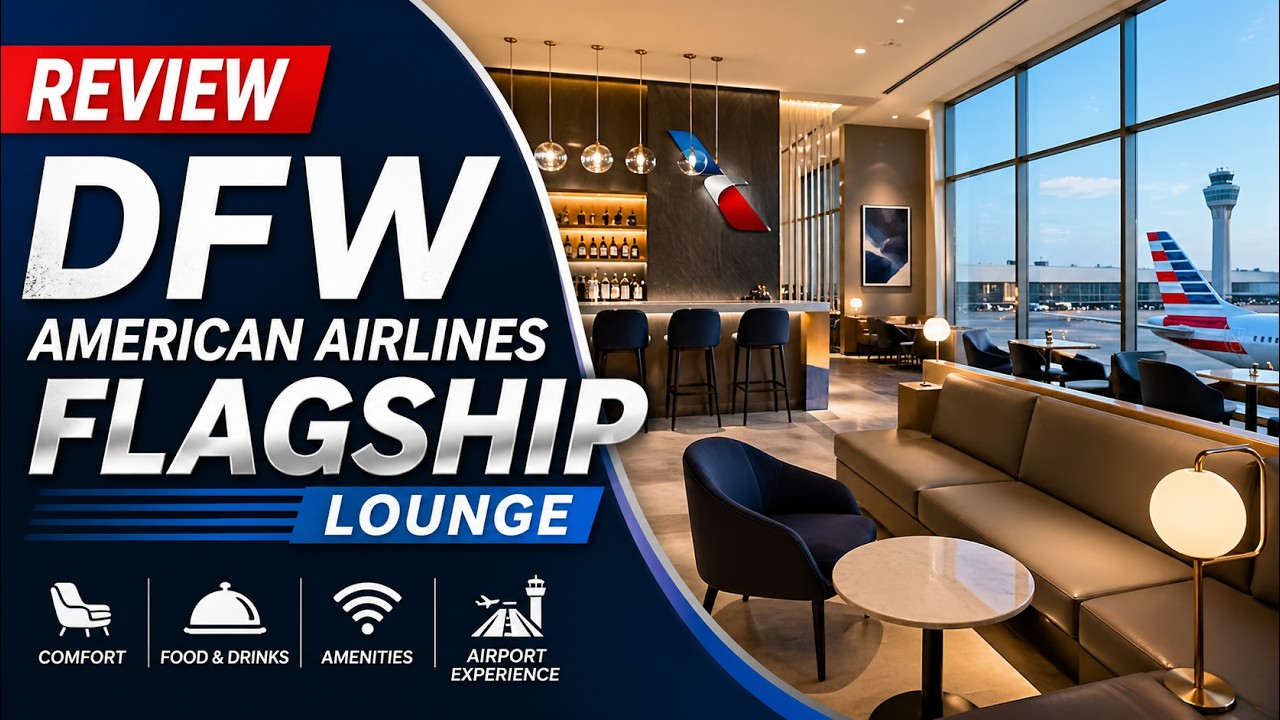
The lounge sprawls across a wide footprint with an open, light‑forward plan. Floor‑to‑ceiling windows line the perimeter and look onto Terminal D’s gates and taxiways. On clear afternoons the space glows, and you feel anchored to the airport rather than sealed away from it. The architects leaned into zones without hard barriers: a central bar with high seating, a large dining area near the buffet, quieter work alcoves along the windows, and smaller living‑room groupings off to the sides.
Power is everywhere, the single design choice that moves a lounge from pretty to practical. Almost every two‑seat arrangement hides a pair of outlets. The long worktables have outlets every seat or two, with USB‑A and USB‑C ports appearing more frequently after recent refreshes. Wi‑Fi has tested well in the 100 to 300 Mbps range on my visits, even as the lounge filled ahead of the Europe departures. If you need to push a large deck or sync cloud storage, this network will do it without drama.
Noise varies by zone, not just by time. The dining area hums at peak but settles in off hours. The bar gets lively if a sports event is on, yet the far window seats stay conversational. If you need true focus, pick the side corridor seating near the shower suites. Traffic thins out back there, and the sightlines are calmer.
Seating that works for real layovers
Designers sometimes build lounges to photograph well, then forget that travelers need different seats for eating, typing, napping, and corralling kids. DFW’s Flagship Lounge checks more practical boxes than not.
Dining tables run two to four tops, and spacing is generous enough to slide a rollaboard without clipping a neighbor. The bar stools are sturdy and relatively comfortable for a 30 to 45 minute sit. If you are planning to camp with a laptop, choose the long communal tables or a window counter. Chair height meets tabletop height correctly, which spares your wrists an hour later. The soft seating sections use armchairs with modest recline and side tables that fit a plate and a drink without threatening either.
Families do fine here at mid day. There is no formal kids room, but the seating plan gives you options to tuck in without blocking traffic. During the evening bank, the dining area can feel like a busy restaurant. If you want calm, carry a plate to the far window zones or eat first and then relocate to the quieter corners.
Shower suites and resets between flights
DFW’s Flagship Lounge shower suites sit off a hallway that also houses family restrooms. The suite doors close tight, good for a full reset after an overnight or long haul. Inside, you find a rain shower head, a handheld wand, a bench, and enough shelf space for a dopp kit and change of clothes. Towels are thick enough to do the job, toiletries are airline standard but pleasant, and the water pressure has been reliably strong.
Queues appear just before the evening departures. If you are landing from Phoenix Sky Harbor or Charlotte Douglas and connecting into an overnight eastbound, stop at the front desk first and ask for a shower slot before you settle in elsewhere. Morning is easier. Early arrivals from Europe finish showering by 9 to 10 a.m., and stalls turn over quickly after that.
Food, breakfast through late dinner
Flagship’s buffet sits along a single face with a couple of islands. The kitchen leads with hot items that change daily, a cold bar that keeps its staples, a small dessert spread, and soups that are better than you expect at this altitude. Breakfast runs until late morning, then lunch blends into dinner with minor shifts around mid afternoon.
Breakfast is where the Texas angle shows in little touches rather than gimmicks. On recent mornings I have seen migas with soft scrambled eggs, salsa verde that tastes fresh, grits with a jalapeño cheddar bite, and crisp bacon that arrives in small refreshed batches rather than in a chafing dish of sadness. There is always fruit that looks like someone checked it, not just dumped it, Greek yogurt, a rotation of pastries that outpaces a hotel continental, and oatmeal with toppings beyond brown sugar. If you want light and fast before a domestic hop to Chicago O’Hare or Phoenix, a bowl of berries, yogurt, and a croissant hits the mark and never feels like settling.
Lunch and dinner offer two or three proteins, a fish, a vegetarian main, and a couple of smart sides. One week I found a smoky chicken thigh with ancho rub sitting next to a cilantro rice that actually had herb in it, not just color. Another night it was a salmon fillet with a citrus glaze that avoided the hotel‑banquet fate. When the lounge leans Tex‑Mex, you might see brisket that pulls apart with a fork. It will not rival a Dallas pit, but it has honest smoke. The salad station lands cleanly, with crunchy greens, a sharp vinegar‑forward dressing, and chopped vegetables that have not been waterlogged by a day on ice. Cheese and charcuterie rotate but usually include a cheddar with a bite and a soft cheese worth pairing with a seeded cracker.
Soups merit a special note. The kitchen seems to care about them. A tortilla soup tasted like it had simmered with bones, not just a powdered base. A tomato‑basil was the rare creamy soup that did not coat your mouth and derail a glass of wine that followed. Dessert runs simple, with small cakes, cookies that hold together, and a seasonal tart. If you prefer to save your sweet tooth for onboard, the lounge does not push you into it. Fruit is always an alternative.
The service model is buffet first, but not abandoned. Staff circulate to clear plates quickly, wipe tables, and check if you are hunting something. When the crowd swells, they bring out small portions more often, which keeps the hot pans lively and avoids the lukewarm trap. If you sit near the bar, servers often swing by to take a drink order, though most guests still walk up.
Premium bar and what is actually complimentary
One of the divides between the Admirals Club and the Flagship Lounge sits on the back bar. In Flagship, the baseline spirits are a tier up, and most cocktails pour complimentary. Expect a balanced gin for a martini, a rye that behaves in a Manhattan, and a tequila you would sip neat. The wine list skews New World with a couple of European staples, and staff will open a fresh bottle without drama if the pour tails off. Seasonal beers include a local craft or two from the Dallas area.
There is usually a paid tier for top shelf, but the complimentary list is broad enough that I rarely see anyone pay extra. If you travel with a specific preference, ask. Bartenders know what sits in the cabinet and what is pouring that week. They are also honest about quality. One steered me away from a chardonnay that had flagged after an afternoon in the fridge and instead poured a clean sauvignon blanc that matched the salmon I was eating.
Nonalcoholic options go beyond a soda gun. You can get a mocktail, sparkling water without digging for cans, and a proper espresso. Coffee in the machine tastes like someone calibrated it. It will not replace a Chelsea Piers Fitness smoothie for clean eating on a training program, but it beats the average airport espresso by a noticeable margin.
Flagship First Dining, when it is open
When Flagship First Dining operates at DFW, it sits as a quiet room within the lounge, with hosted seating, a printed menu, and table service. Access is intentionally narrow, typically tied to Flagship First tickets on eligible international or select transcontinental flights, with occasional invitations for ConciergeKey. American has adjusted schedules and access several times since 2020, so think of this as a privilege that can appear or disappear with season, aircraft assignment, or program strategy.
Menus in First Dining read seasonal with Texas accents. A plated gulf shrimp starter with a bright citrus marinade showed up twice last year, and the kitchen executed it with the kind of clean knife work you notice when you cook at home. Mains often include a seared steak, sometimes billed as Texas wagyu or at least a domestic prime cut, paired with a mashed potato that is closer to a restaurant puree than a buffet scoop. A vegetarian option is not an afterthought, like a roasted cauliflower steak with romesco that held up on its own. Desserts arrive in smaller portions with real texture, a panna cotta that set properly, a chocolate torte with a crisp edge.
Service in First Dining moves at your pace. If you have forty minutes before boarding a London Heathrow flight, staff will guide you to a two‑course rhythm and make sure you are not checking your watch. If you have two hours ahead of a midnight South America departure, they will slow the cadence and refill water like a good neighborhood bistro. The wine program steps up a notch, with a Champagne that sits above the lounge pour and a couple of reds that pair with the steak without overwhelming it. You are here to be fed like a premium cabin passenger on the ground, not just to graze politely.
How crowded does it get and where to sit when it does
Crowding is predictable, which means you can plan around it. Early morning sees a bump from inbound Europe flights connecting Soulful Travel Guy onward to domestic hubs like Los Angeles International Airport, Miami International Airport, and Philadelphia International Airport. Mid day thins out as domestic banks peak elsewhere. Late afternoon through early evening is the crunch, built on departures to Europe and heavy domestic traffic feeding those flights. If you are connecting from John F. Kennedy International Airport or Chicago O’Hare into a 6 to 9 p.m. Departure bank, expect a line at check in and a full dining room.
When the space tightens, the right seat matters. The back window run along the far side from the bar stays calmer even at peak and gives you a clean sightline over the ramp. The side corridor seats near the showers remain the quietest. The bar rail is fine for solo travelers who want a quick plate and a drink and do not need a power outlet at arm’s length.
Service notes that matter over multiple visits
Consistency beats flash in a lounge you will use often. Most teams at DFW understand that. Desk agents verify access fast, answer upgrade and standby questions without impatience, and will print a boarding pass if your phone battery gives up. Floor staff are quick with bussing and not shy about resetting a wobbly table. If a pan runs low, a back‑of‑house lead usually appears with the refill rather than leaving an empty label on the counter.
That said, peak hours test any lounge. If you walk in at 5:30 p.m. On a Friday, give the team five minutes. They will catch up, and your second plate will arrive warmer and fresher than your first. If you need help with an irregular operation issue, this is not the Global Services desk at a United Club. Flagship staff can advocate for you, but they are not the gate. Polite persistence helps, and so does walking to the departure gate for complex reissues while keeping the lounge as your base.
Comparisons across the network and partners
Within American’s system, DFW’s Flagship Lounge sits among the stronger outposts. Miami International Airport has the edge on seafood and Latin flavors. Chicago O’Hare’s space is slightly tighter but runs a strong bar. JFK moves bigger crowds and has the most varied menu rotation, especially when international partners flood Terminal 8. Los Angeles can swing from serene to shoulder‑to‑shoulder depending on the production schedule of Hollywood and the flight bank to the Pacific.
What about competitors and partners? A United Club at a hub will feel busier and leaner on dining, since United reserves its Polaris Lounges for long‑haul business class in a way that echoes Flagship’s filters. Over in the oneworld Alliance, British Airways Galleries Lounge at London Heathrow is a useful benchmark for atmosphere and bar selection, though food quality there varies by time of day more than at DFW. Qantas Club and a Cathay Pacific Lounge in their home airports typically win on made‑to‑order options, but you are not flying to Sydney or Hong Kong through DFW. For a U.S. Mega‑hub, American’s Flagship execution in Dallas lands above average on food and decisively above average on seating and power.
Loyalty program angles and where the lounge fits in a day of travel
If you live in the AAdvantage ecosystem, the lounge’s value changes with your status and route map. AAdvantage Executive Platinum and Platinum Pro members often anchor their travel day around reliable Wi‑Fi, a hot meal, and a place to reset before or after priority boarding. ConciergeKey members get a smoother path through the airport overall, with escorts and proactive rebooking during irregular operations, and will occasionally find their names on the list for First Dining when American wants to recognize a heavy flyer. None of this replaces the need to check your specific itinerary for Flagship eligibility. The rules tie back to international and qualifying transcontinental segments, and domestic First into Phoenix or Charlotte will not by itself get you upstairs.
Travel credit cards like the Citi AAdvantage Executive World Elite Mastercard still matter in the background. They put you into Admirals Clubs across DFW and the broader network from Los Angeles to Philadelphia and Phoenix, which can save a tight connection or host a co‑worker who is not on a qualifying ticket. But they do not gate‑open the Flagship Lounge. If your trip alternates between domestic and international segments, think of the Admirals Club as your base layer and the Flagship Lounge as a bonus layer when your boarding pass earns it.
Practical tips for a smoother visit
- If you want a shower before an evening departure, request a slot at check in as you enter, then head to the buffet. Your name will be called while you eat. For quiet work, avoid the central bar zone. Pick the window counters along the far side or the corridor near the showers where traffic is light. Breakfast has the best fresh rotation. If you connect through during morning hours, eat in the lounge and skip a mediocre onboard tray on a short hop. Ask the bartender what is pouring well that day. They will steer you to a fresh bottle or a better match for your plate. When traveling with a guest under oneworld rules, have their same‑day boarding pass ready. It speeds the desk check and avoids a secondary scan.
A realistic look at trade‑offs
No lounge gets everything right. DFW’s Flagship Lounge nails power, Wi‑Fi, and a buffet that keeps pace with a hungry evening bank. It cannot hide from the crowds that show up before the Europe departures, and on very busy days you will circle for a two‑top at dinner. Flagship First Dining, when open, delivers a calm, plated experience, but access is narrow and schedules evolve. If your trip relies on that room, verify at booking and again the week of travel.
Guest policy rules require you to think ahead when traveling with a colleague in Economy on a separate PNR. The desk team can only apply what the system allows. If you are used to the broader net of an all‑access membership lounge, that can feel like friction. On the other hand, the filters keep the Flagship Lounge closer to what a business class lounge should be, with business class lounge benefits that actually matter: space to work, food that feels like a meal, shower suites that reset a time zone, and premium bar service that does not nickel and dime you for a decent pour.
Final verdict from repeated use
Across many passes, the DFW Flagship Lounge earns its reputation as the most useful American Airlines Lounge at the airport when your itinerary qualifies. It will not give you a tasting menu every time, and it will not solve a weather meltdown. It will give you a dependable meal, a seat with power, a shower that works, complimentary snacks and beverages that feel premium rather than perfunctory, and staff who keep the place moving even when the departure boards start blinking.
If your travel pattern includes frequent international trips, oneworld Sapphire or oneworld Emerald status, or premium cabin tickets in Flagship Business or First Class, build this lounge into your DFW routine. If your flying is mainly domestic, treat the Admirals Clubs across terminals A through D as your daily office, with Flagship as an earned upgrade when your route map widens. Either way, knowing the access rules, the best seating zones, and the crowd patterns turns a layover into a productive break rather than a time sink. On a long day of connections through Dallas, that shift is the difference between arriving at your next gate ready to work and trudging onboard with a dead laptop and a headache.